Why Worldbuilding Matters More Than Ever in Modern Game Development
- Geniuscrate

- Dec 5, 2025
- 2 min read

Worldbuilding has shifted from a background task to a core pillar of modern game design. Players no longer just want levels to complete, but they want universes to explore, cultures to interpret, and stories that feel alive even when no one is speaking.
Today’s top studios treat worldbuilding as an experience driver, not an artistic extra. And in an industry where player expectations keep rising, the ability to build believable, living environments has become a competitive advantage.
The New Standard for Immersive Worlds
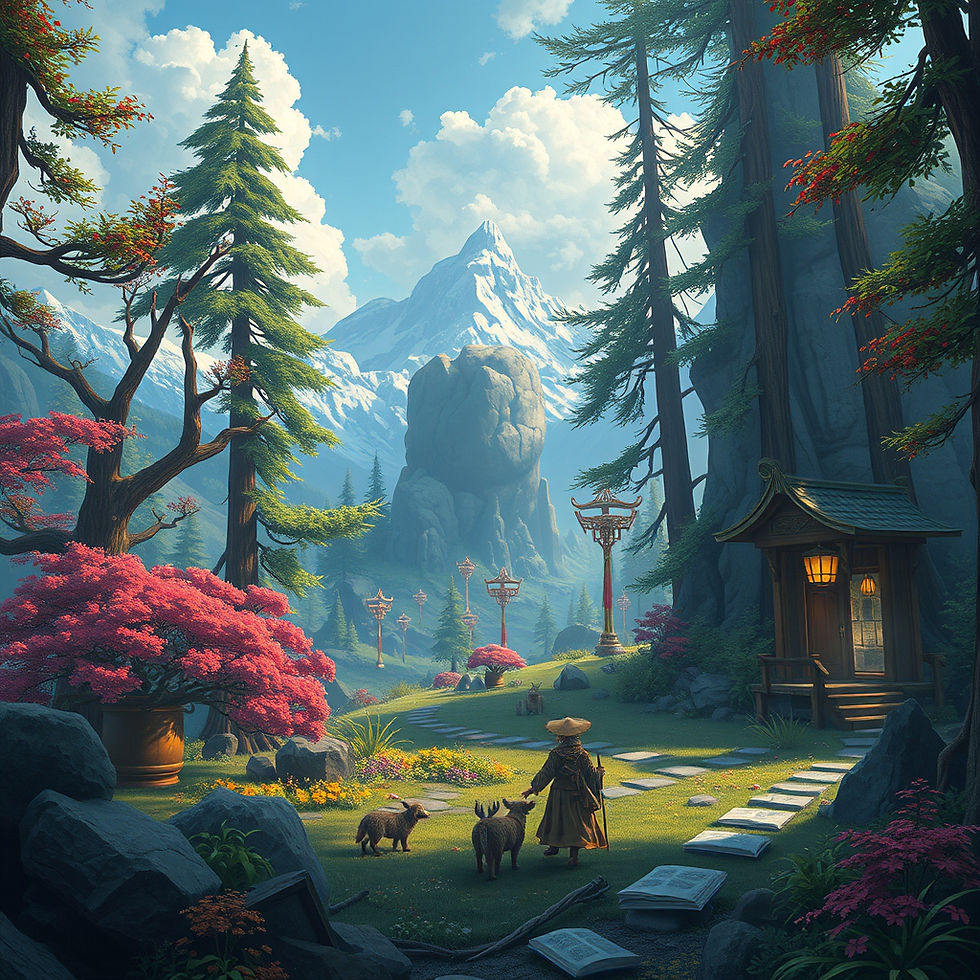
Gamers expect detail. They want cities that feel lived-in, forests that show history, and ruins that spark curiosity. Worldbuilding is no longer limited to narrative; it shapes gameplay, mechanics, and how players emotionally connect with your universe.
A well-crafted world influences:
Player immersion
Environmental storytelling
Character motivation
Exploration patterns
Emotional investment
It’s the invisible force that turns a game from “fun” to unforgettable.
How Modern Tools Are Transforming Worldbuilding
With advanced engines and real-time rendering tools, studios can now create worlds with unprecedented scale and realism. Features like procedural terrain, dynamic lighting, and AI-driven ecosystems are raising the standard for what a “complete world” looks like.
This shift has opened opportunities for:
More authentic biomes
Naturalistic asset placement
Complex architectural storytelling
Dynamic weather and environmental effects
The technology has evolved, and so has the expectation.
Why Worldbuilding Is a Long-Term Investment
A strong world fuels player retention and community building. Fans create theories, share discoveries, and re-explore environments long after finishing the main storyline. It creates identity, loyalty, and replay value.
Worldbuilding is no longer just art, but it’s IP development.
How GeniusCrate Helps Studios Build Better Worlds
GeniusCrate specializes in crafting environments that elevate a game’s identity. Our artists create hyper-realistic landscapes, rich biomes, detailed structures, and immersive props using industry-leading tools like Maya, Blender, Substance Painter, and Unreal Engine.
Whether you’re building a stylized universe or a gritty, cinematic world, we help studios bring their vision to life with precision and care.


Comments