Should Your Company Shift from Classroom Training to XR?
- Geniuscrate

- Dec 22, 2025
- 2 min read

Classroom training has been the foundation of corporate learning for decades. Presentations, manuals, and instructor-led sessions have helped build skills across industries. However, as workplaces become more complex and fast paced, many companies are questioning whether classroom training alone is still effective.
Extended Reality, including Virtual Reality and Augmented Reality, is emerging as a powerful alternative. But should your company make the shift? This blog explores the factors that matter most.
Where Classroom Training Falls Short
Classroom training works well for theory, policies, and basic knowledge. However, it struggles to prepare employees for hands on tasks and real world challenges.
Common limitations include:
Passive learning with low engagement
Limited practical exposure
Difficulty simulating real scenarios
Inconsistent knowledge retention
No safe way to practise mistakes
These gaps become more evident in technical, safety critical, and operational roles.
What XR Training Offers Instead
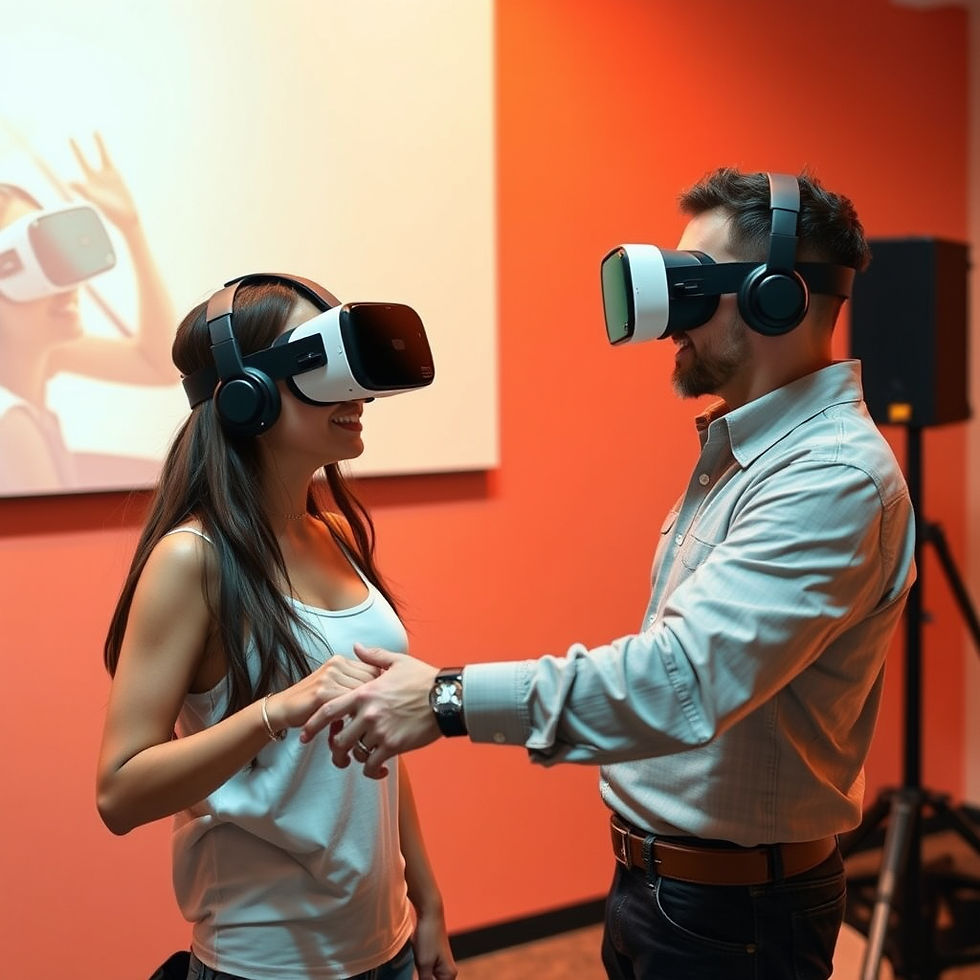
XR training places employees inside realistic, interactive environments where they can learn by doing. VR creates full simulations for complex tasks, while AR supports real time guidance during live work.
XR training delivers:
Immersive hands on experience
Safe practice for high risk tasks
Faster learning and better retention
Consistent training across teams
Real time performance feedback
This makes XR particularly effective for industrial and technical training.
Key Questions to Decide If XR Is Right for You
Before shifting from classroom training to XR, companies should consider the following:
1. Are Your Tasks Practical or High Risk?
If employees operate machinery, handle hazardous materials, or perform complex procedures, XR can significantly improve training outcomes.
2. Is Training Time Slowing Productivity?
XR reduces onboarding time by allowing employees to practise independently without impacting live operations.
3. Do You Need Consistent Training Across Locations?
XR ensures the same training experience for every employee, regardless of site or instructor.
4. Are Errors Costly or Dangerous?
XR allows mistakes to happen safely, reducing real world incidents and rework.
A Hybrid Approach Works Best
XR does not have to replace classroom training entirely. Many companies adopt a blended model where classrooms cover theory and XR handles practical skill development. This approach combines clarity with experience.
The Long Term Business Impact
Companies that adopt XR training often see improved safety records, higher productivity, lower training costs, and stronger workforce confidence. The shift is not just about technology. It is about building a future ready workforce.
How GeniusCrate Supports XR Training Transitions
GeniusCrate helps companies design immersive XR training environments tailored to real world operations. Using Unreal Engine, Blender, Maya, and Substance Painter, we create accurate, scalable training assets that support a smooth transition from classroom learning to immersive training.

Comments